Designing Hidden Charging and Data Paths Inside an mPOS Enclosure
A clean exterior usually depends on careful work inside the enclosure. Short cables, connector boards, Pogo Pin contacts and PCBA modules must fit without being pinched, pulled or exposed to the full load of a drop.
Goochain develops internal interconnects together with the housing. This is especially useful when the same team must control overmolding, cable assembly, FPC, Pogo Pin parts, plastic tooling and final assembly.

Define the interface before routing it
List every signal and power function, not only the connector names. Charging current, USB mode, grounding, shielding and device behavior determine what the cable or FPC must support. A USB-C plug does not by itself define the required power or data performance.
Protect connectors from mechanical load
The enclosure should carry push, pull and drop forces through mechanical features rather than through a tablet or reader port. Retention brackets, overmolded strain relief, adhesive, screws or controlled cable loops may be used according to the assembly.
Choose cable, FPC or PCBA by the available space
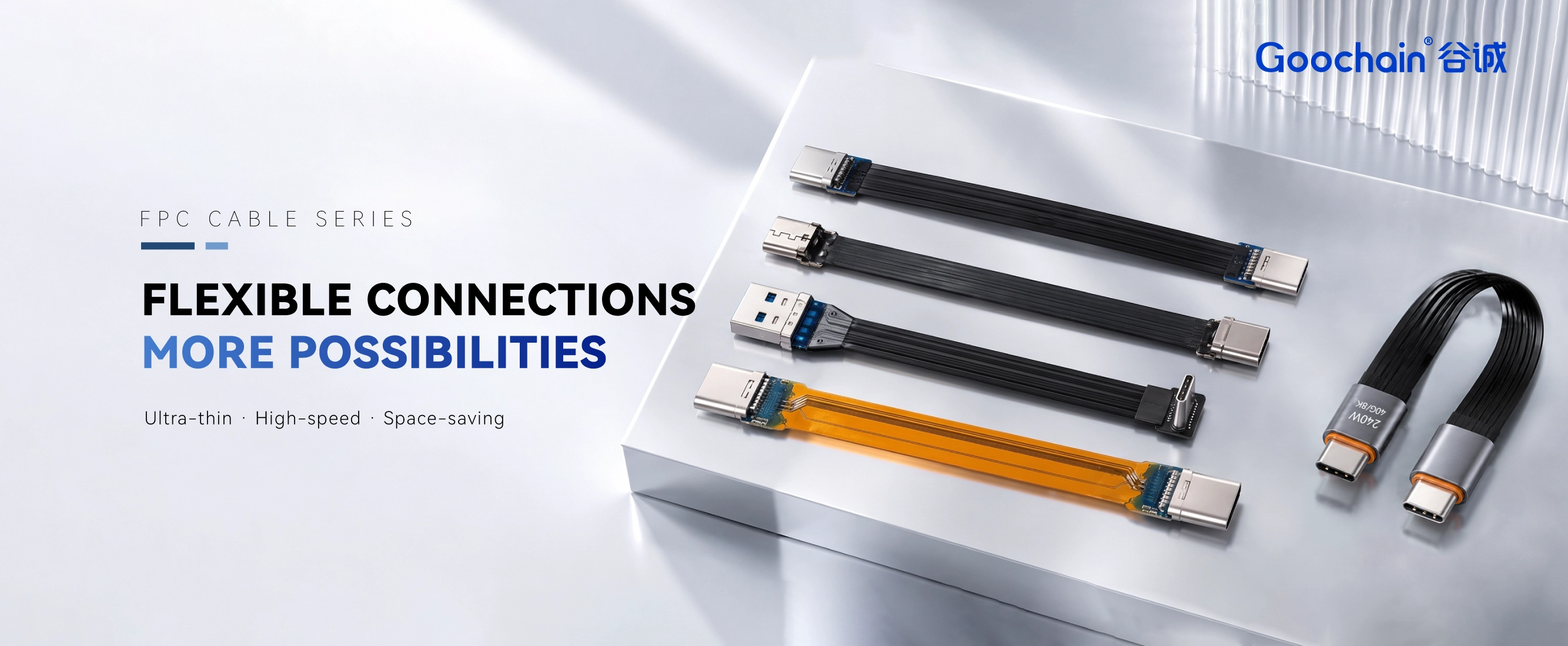
Round cable is useful where movement and conventional strain relief are needed. FPC can follow a thin, defined path. A small PCBA can manage connectors, contacts or power functions, but it adds mounting and thermal considerations. Goochain compares these structures using the actual internal envelope.
Make the connection testable
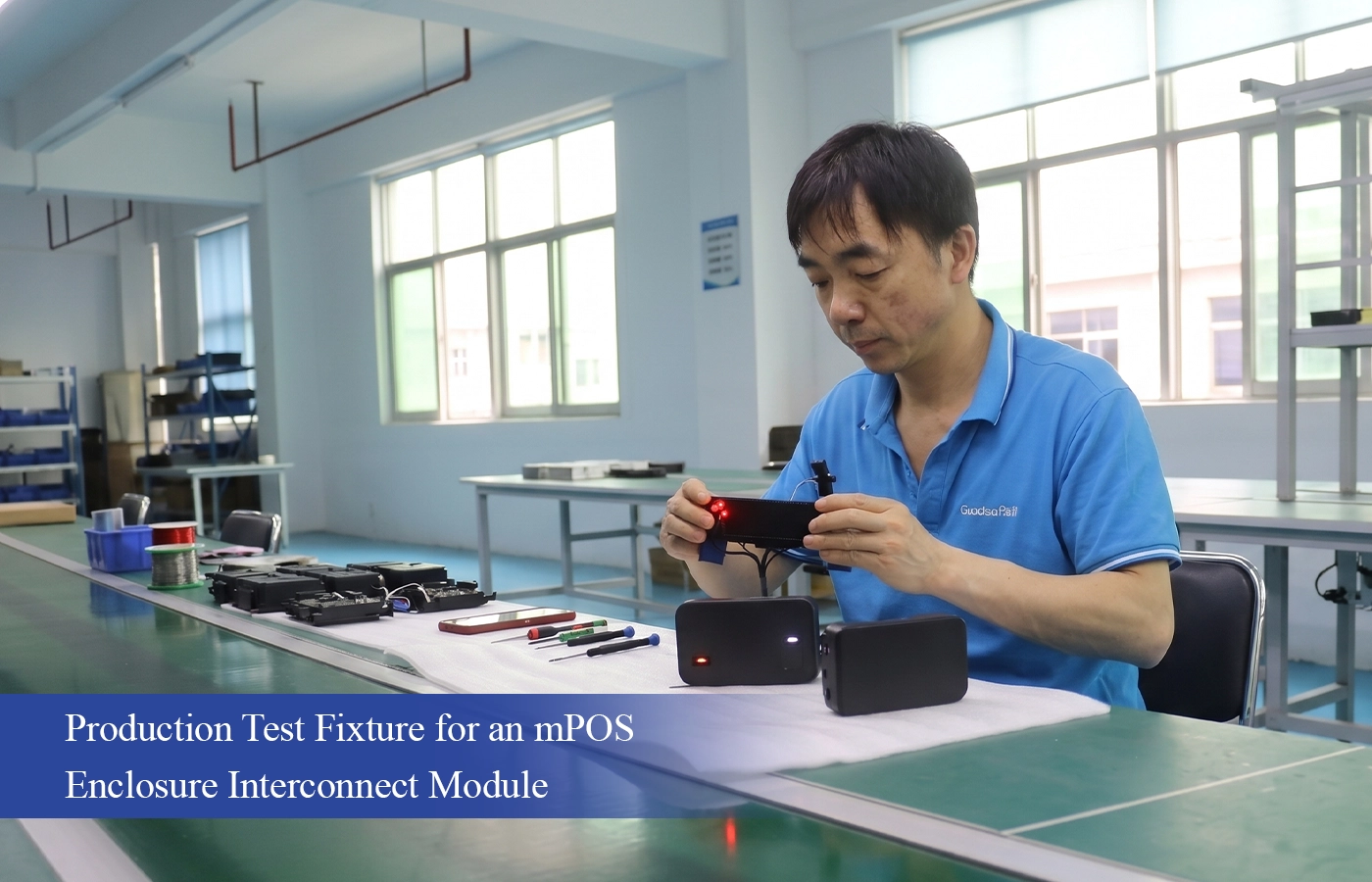
Production needs a practical way to verify mapping, continuity, shorts, charging and any agreed data function. Test pads, fixtures, connectors and assembly sequence should be planned before the design is closed. This improves both first-pass yield and later failure analysis.
Talk to Goochain About Your Project
Share the pinout, power/data requirement and available internal space with Goochain. We can review the interconnect module and enclosure as one design and build a test method into the production plan.