Goochain separates the power requirement from the communication requirement at the beginning of a docking project. This keeps a simple charging product from carrying unnecessary complexity and prevents a data-capable product from being underdefined.
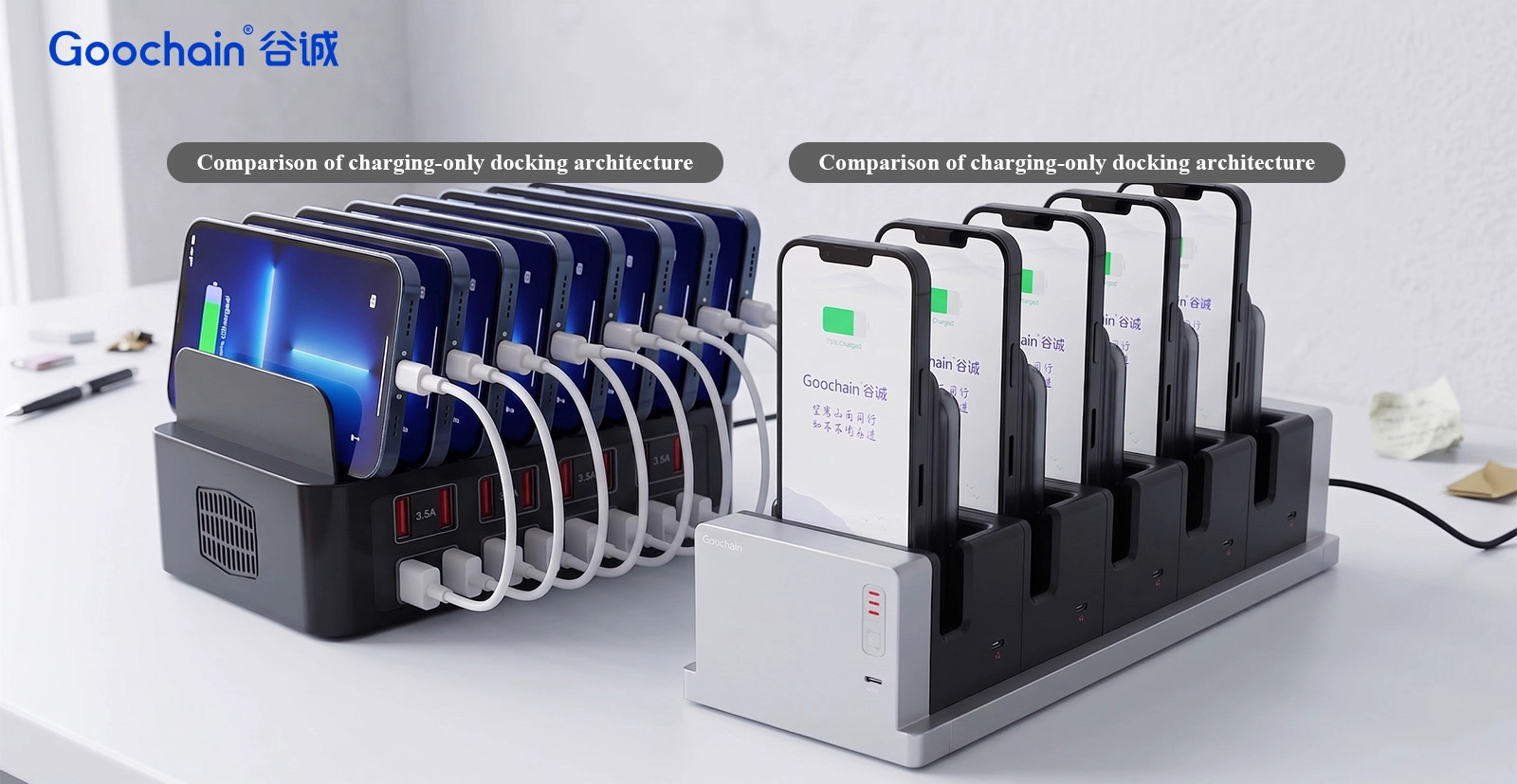
Charging-only docks
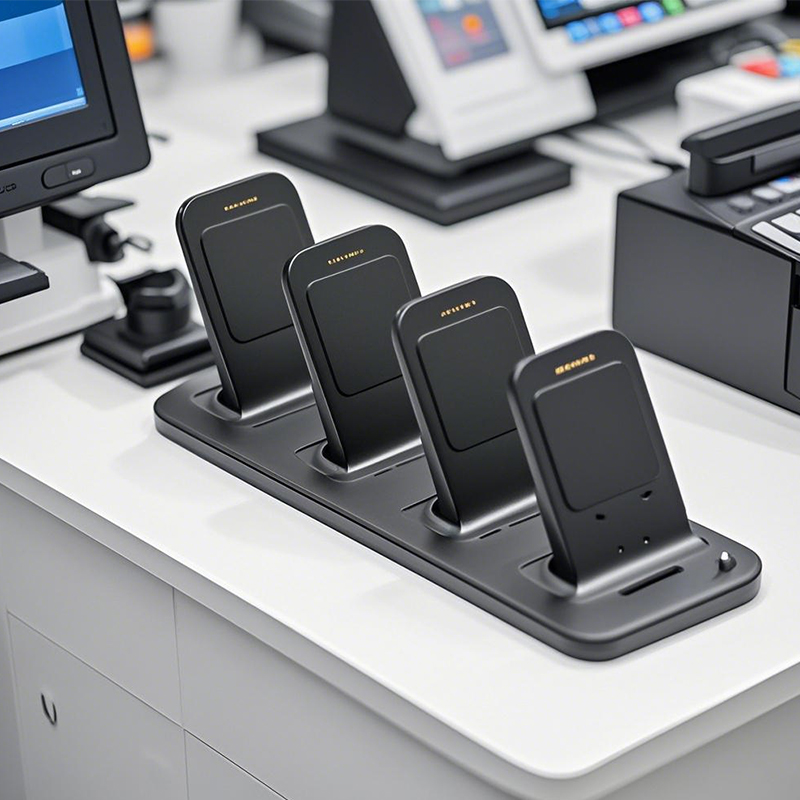
A charging-only dock can use fewer contacts and a simpler PCB, but it still needs the correct input, output, protection, conductor size and temperature review. The device and dock must agree on how power is presented. Fast-charging language should be used only when the complete configuration supports it.
Charging plus data
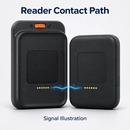
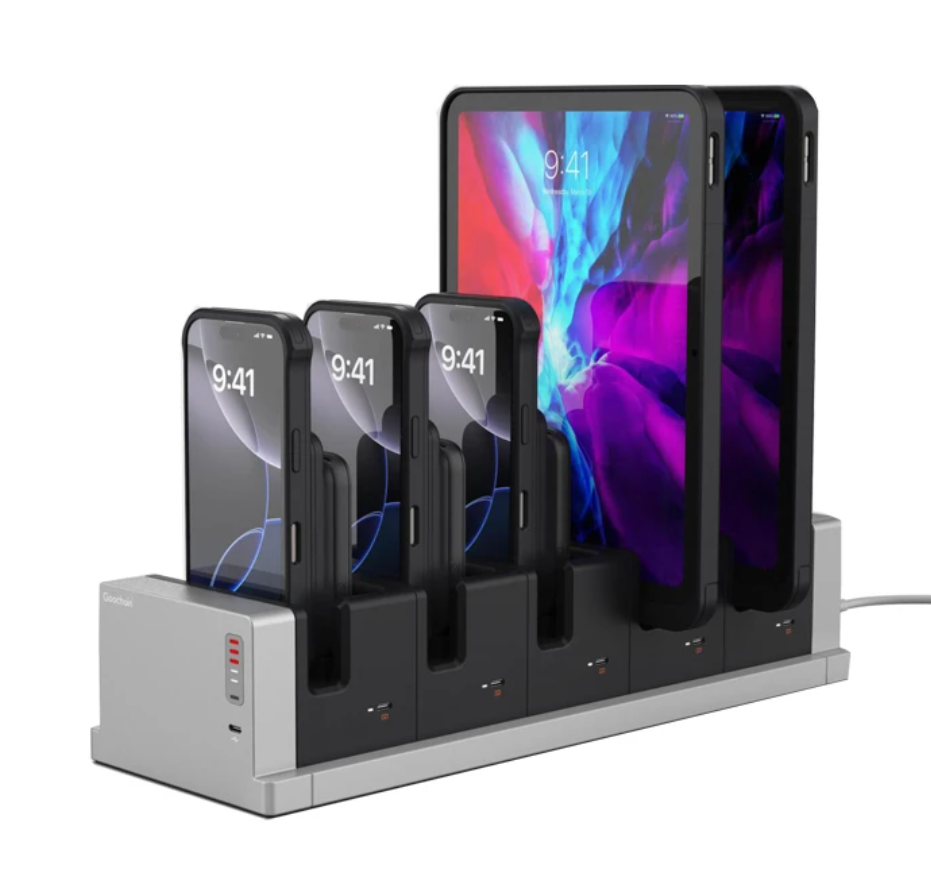
Data adds signal contacts, return paths, routing and host/device behavior. The required protocol and data rate must be stated. A Pogo Pin transition, cable, PCB and connector are parts of one channel; a result measured on one revision cannot be assumed for every pinout or cable length.
Operational reasons for data
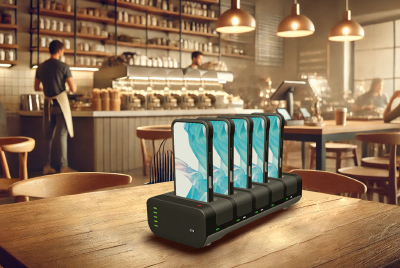
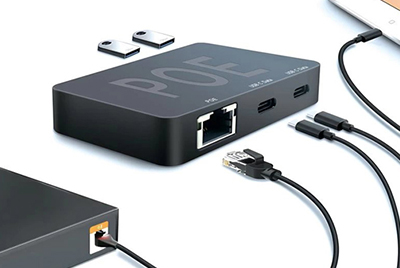
Some fleets need overnight device updates or log transfer. Others use Wi-Fi for all communication and only need charging at the dock. Clarifying the workflow may remove data from the dock or, conversely, show that Ethernet, USB or a managed hub is required.
Write acceptance criteria before prototype testing
The customer and Goochain should agree on charging voltage/current, connection behavior, temperature, enumeration, transfer test and disconnect criteria. Test equipment, host, device, software and sample revision should be recorded.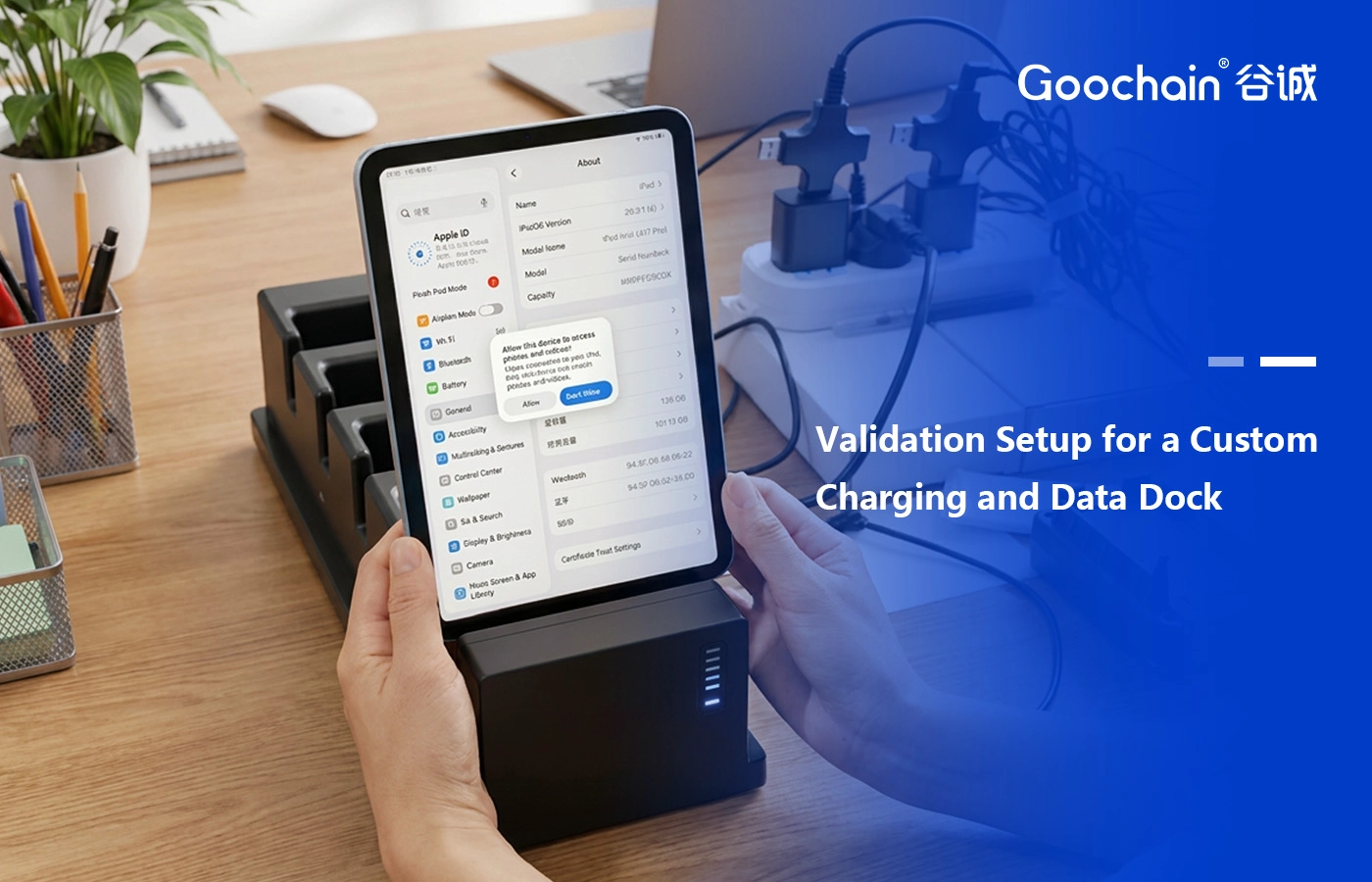
Tell Goochain what happens when the device is docked, not only which connector is preferred. We can translate the workflow into a clear power, data and validation specification.