Planning Tablet and Card Reader Compatibility Across Device Generations
A screen size does not define a tablet enclosure. Two generations may share a diagonal measurement while changing the body, camera, buttons, connector or speaker layout. Reader revisions can create the same problem in a smaller package.
For OEM/ODM programs, Goochain recommends separating confirmed compatibility from planned compatibility. The website and sales documents should list only verified combinations, while the product architecture can still prepare for likely changes.
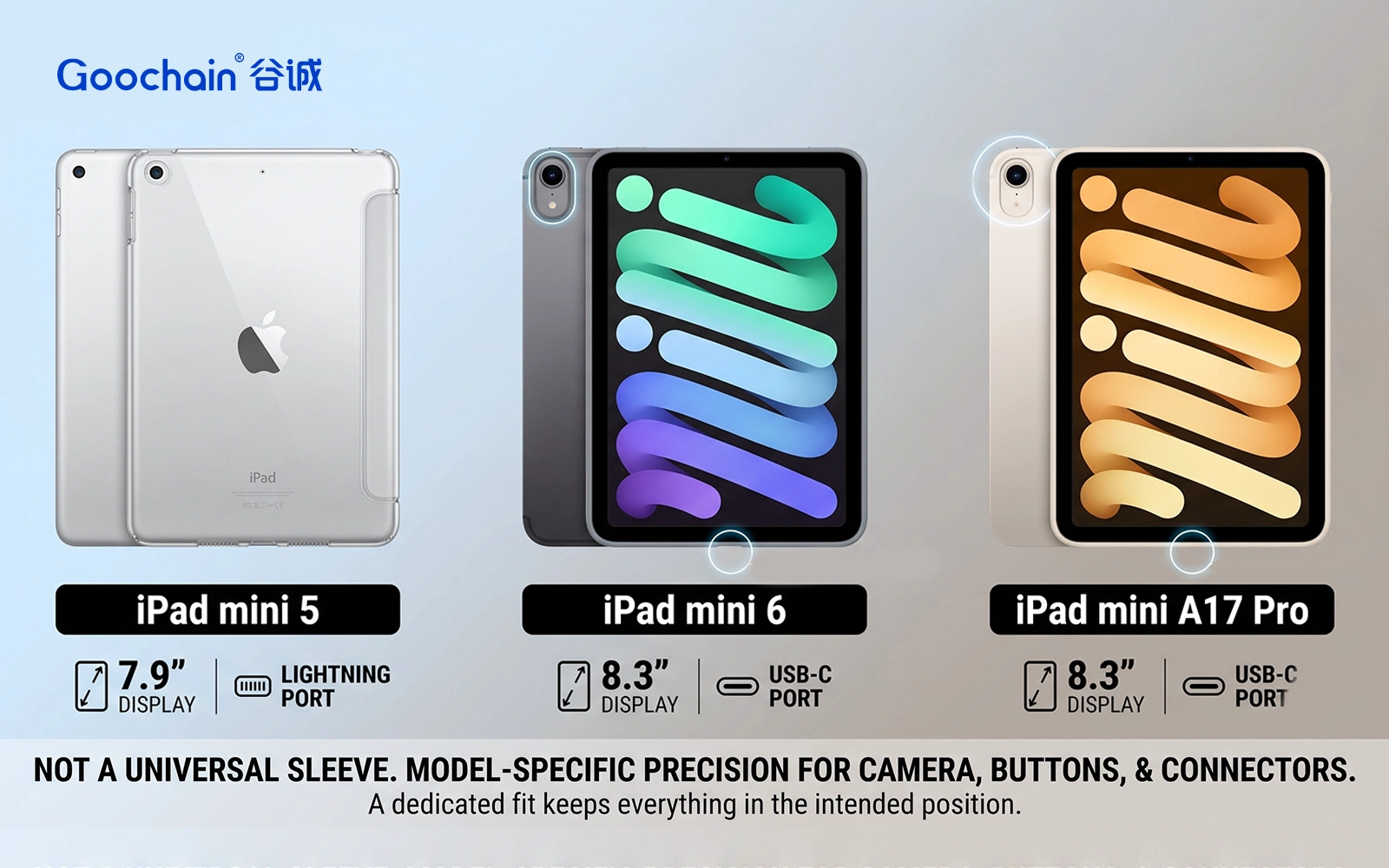
Build a device matrix
Record the exact tablet and reader model, generation, connector and required accessories. Add regional or carrier versions if they affect the hardware. The matrix should also state whether compatibility has been checked by drawing, physical fit, functional test or production validation.
Identify common and model-specific parts
A stand base, dock PCB or hand strap may remain common while the tablet cradle, camera opening or reader backplate changes. Goochain maps these boundaries before tooling so common parts do not accidentally depend on a model-specific feature.
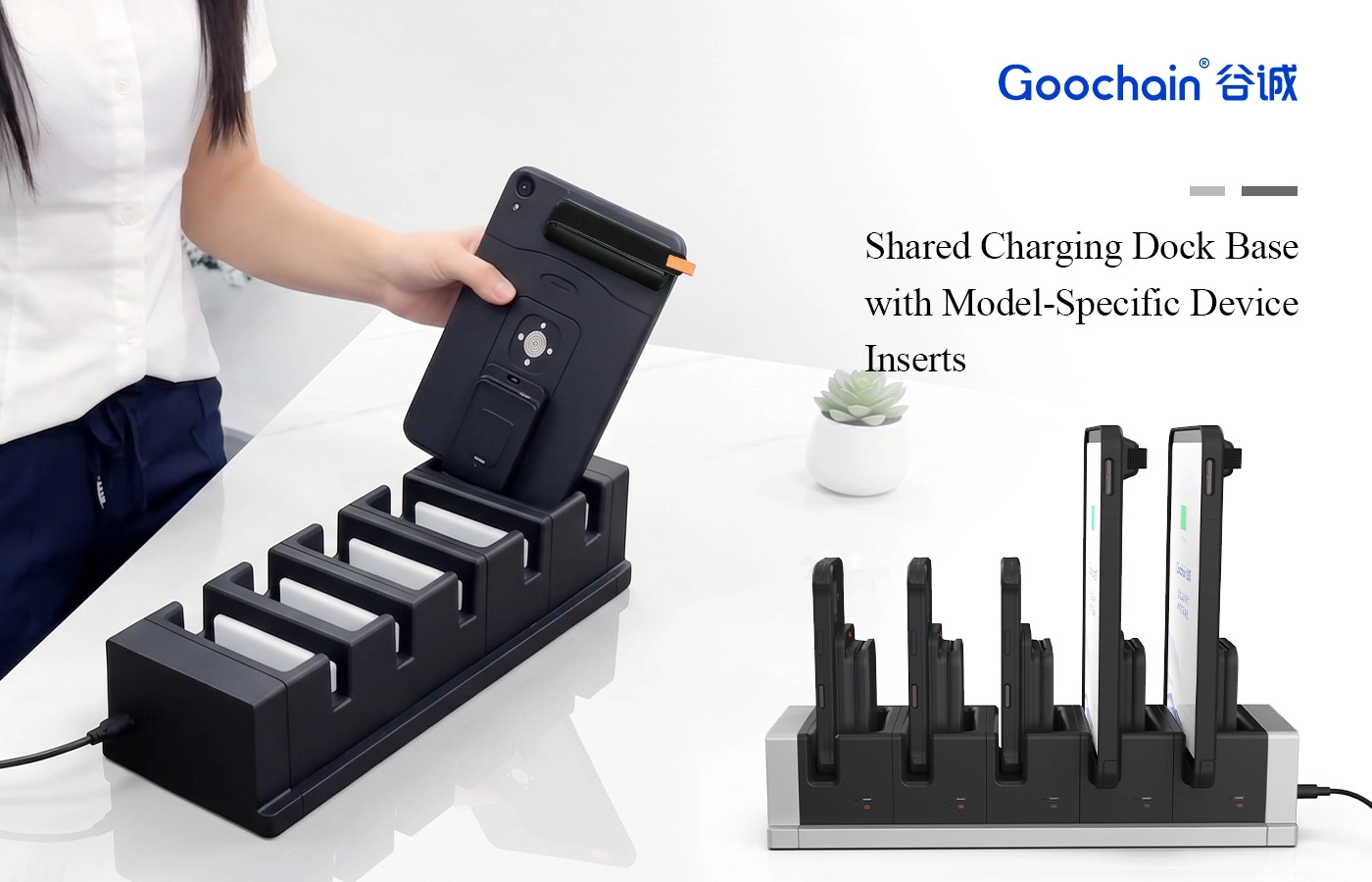
Use controlled inserts where they help
Replaceable cradle inserts can support a narrow device family, but too much adjustment can reduce fit and appearance. A universal claim should not replace engineering evidence. For high-volume programs, a model-specific insert with a shared outer structure is often more reliable than a single loose-fitting holder.
Control revisions after launch
Each molded part, cable, PCBA and compatibility result needs a revision identity. When a device changes, Goochain reviews the affected interfaces and confirms whether the existing part remains valid. This prevents an untested substitute from entering production under the same product name.
Talk to Goochain About Your Project
Share your current device list and expected next-generation plan with Goochain. We can create a compatibility matrix and propose which parts should be shared, replaceable or model-specific.