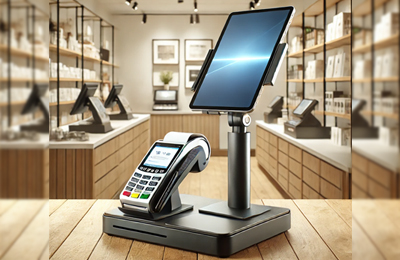
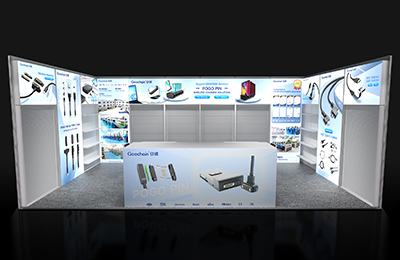
A self-service kiosk brings the tablet, reader, stand and installation into one public-facing system. Small decisions about height, reach, cable access or maintenance can determine whether the unit feels intuitive or becomes a source of support calls.
Before Goochain closes a kiosk concept, we ask the customer to review five operating questions. They keep the design connected to the site rather than to a studio rendering.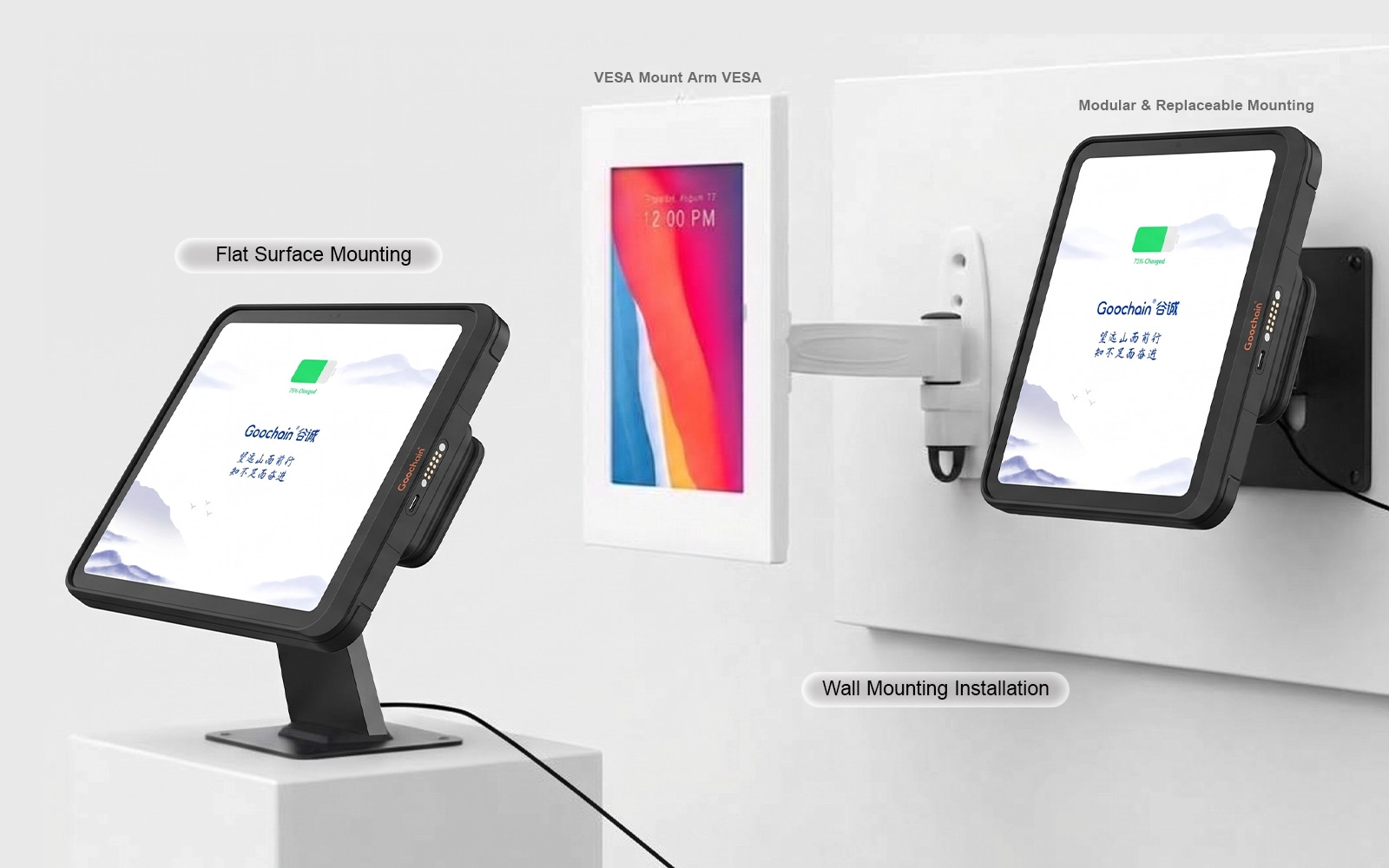
1. Who uses the screen and from where?
Define typical users, viewing angle and touch zones. Accessibility requirements depend on market and installation, so the customer should provide the applicable standard or acceptance criteria. Screen height and tilt are then reviewed against the actual base and floor or counter position.
2. Which payment and scanning actions must remain clear?
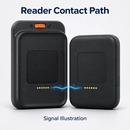
The reader, scanner, camera and receipt path should be placed around the real interaction sequence. A peripheral that is easy to assemble may still be awkward for the customer.
3. How is the kiosk powered and connected?
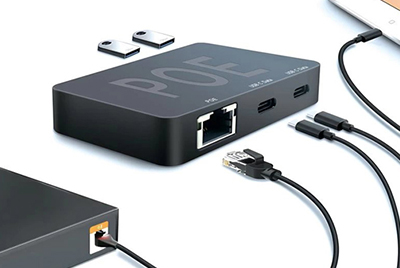
Power outlet, PoE, USB-C, Ethernet, Wi-Fi and internal cable routing affect the column, wall cavity or counter opening. Heat and adapter access should be reviewed before the housing is closed.
4. How is the device secured and installed?
Define enclosure locks, fasteners, anchoring, floor or counter conditions and who carries out installation. The mounting template and cable sequence should be tested during the pilot.
5. What happens during service?
Decide how a tablet, reader, cable or power module is replaced without dismantling the entire kiosk. Service doors and removable panels must remain secure during normal public use.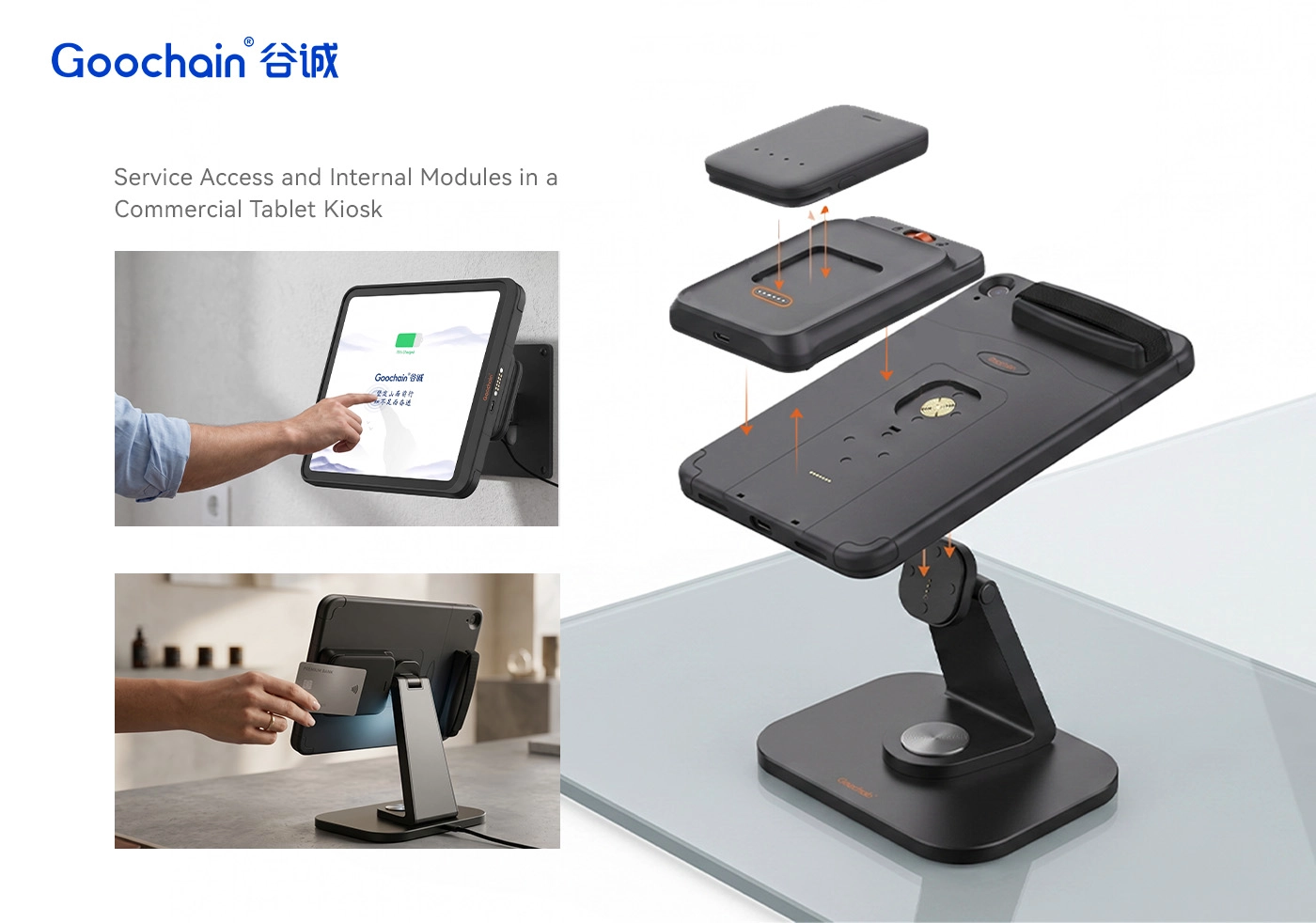
Send Goochain the tablet, peripherals and site layout before the kiosk form is fixed. We can review the enclosure, stand, cable path and service access as one OEM/ODM hardware system.